
-
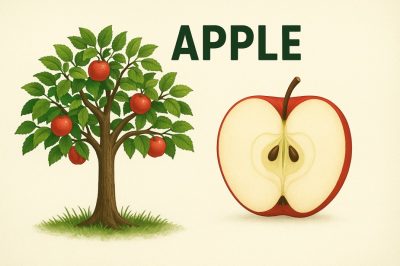
Apple: A Nutritious Fruit with Biological and Economic Importance
Introduction: A Fruit of Nature and Knowledge The apple (Malus domestica) is far more than just a familiar fruit on our dining table. Belonging to the family Rosaceae, apples are one of the most widely cultivated fruit trees across the globe. From ancient myths to modern genetic research, this simple fruit has shaped human culture,…
-
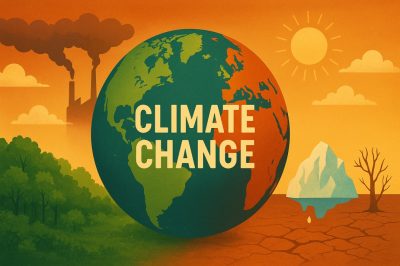
Climate Change: Understanding the Biological and Environmental Impact
Introduction: A Planet in Transition Earth’s climate has always changed from ice ages to warm periods but never at the pace we’re witnessing today. Climate change is not just an environmental issue; it’s a biological emergency that affects every living organism, from the tiniest plankton to the largest mammals.For students of biology, understanding climate change…
-

Forests: The Green Lungs of Our Planet
Introduction: The Silent Guardians of Earth Forests are more than just collections of trees — they are complex living systems that support nearly all forms of life on our planet. They purify the air we breathe, regulate climate, prevent soil erosion, and serve as homes for millions of plant and animal species.For biologists, forests represent…
-

Global Warming: A Growing Threat to Life on Earth
Introduction: The Earth’s climate has always changed over time, but never as rapidly as it is today. Global warming—the long-term rise in Earth’s average temperature is one of the most pressing environmental issues facing humanity. It affects every living organism, from the tiniest microbe in the soil to humans at the top of the food…
-

Quran and Biology: The Harmony Between Faith and Science
Introduction: Science and religion are often seen as two separate worlds — one driven by reason, the other by revelation. Yet, when we explore the relationship between the Quran and Biology, we discover a fascinating harmony between Quranic knowledge and modern scientific understanding. The Quran, revealed more than 1,400 years ago, contains numerous verses that…
-

Conservation of Biodiversity – Protecting the Web of Life
Introduction: The Living Network That Sustains Us Every living thing on Earth from the tiniest microbe in the soil to the tallest redwood tree plays a vital role in maintaining balance within nature’s complex web. This intricate network of life is known as biodiversity, and it sustains the ecosystems that provide us with clean air,…
-
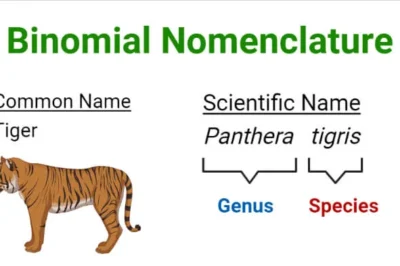
Binomial Nomenclature – The Universal Language of Biology
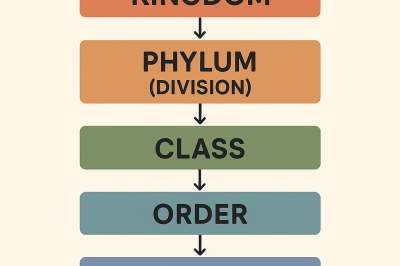
Introduction: Imagine walking into a garden filled with hundreds of different plants and trying to describe each one using common names. You might call one a “rose,” but in another country, the same plant could be known by an entirely different name. This confusion highlights why scientists needed a universal system for naming organisms —…
-

Biodiversity – The Variety of Life on Earth
Introduction: Have you ever wondered how life on Earth manages to exist in so many incredible forms from tiny bacteria to towering trees and majestic whales? This vast variety of living organisms is what we call biodiversity. It represents the richness of life on our planet and the intricate web of relationships that connect all…
-
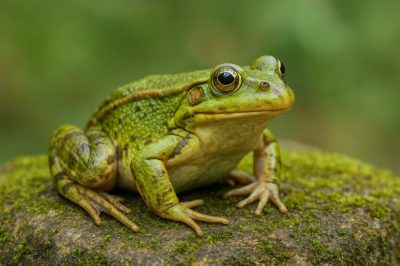
Frog – Structure, Habitat, and Importance in Nature
Introduction: The frog is one of the most familiar and fascinating amphibians found across the world. Its unique lifestyle, living both on land and in water, makes it an excellent example for studying adaptation in vertebrates. Frogs belong to the class Amphibia and the order Anura, meaning “tailless.” They are cold-blooded animals that have developed…
-

Mustard Plant (Brassica campestris) – A Vital Crop of Pakistan and South Asia
Introduction: The mustard plant (Brassica campestris), commonly known as field mustard, is one of the most important oilseed crops in the world. Recognized for its bright yellow flowers and characteristic pungent aroma, mustard has been cultivated for centuries both as a source of edible oil and as a leafy vegetable.Beyond its culinary uses, the plant…