Biology
-

Gaseous Exchange in Humans
Introduction: Every breath we take is part of an incredible biological process that keeps us alive — the gaseous exchange. It’s the continuous movement of oxygen and carbon dioxide between the body and the environment. While it may seem simple, this process involves a highly coordinated system of organs, cells, and microscopic structures that ensure…
-
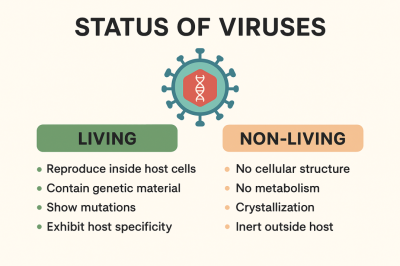
Viruses: The Mysterious Microbes Between Life and Non-Life
Introduction: Viruses are some of the most interesting yet feared tiny particles in biology. They are so small that we can’t see them without a microscope — thousands of times smaller than a grain of sand. Despite their size, viruses have the power to affect all living things. From the common cold to worldwide pandemics,…
-
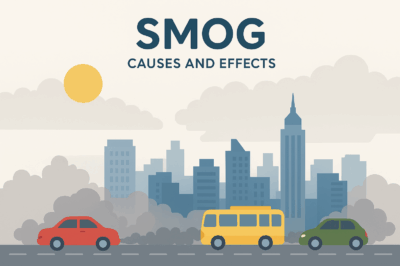
Smog: Causes, Types, Effects, and Control of this Silent Threat
Introduction: Have you ever looked at the skyline of a big city and noticed a thick, hazy layer hanging in the air? That murky cloud isn’t fog — it’s smog, one of the most dangerous forms of air pollution. Smog has become an unfortunate symbol of urban life, affecting the health of millions and threatening…
-

Classification in Biology – Organizing the Diversity of Life
Introduction: Biology is the study of life and life, as we know it, comes in countless forms. From microscopic bacteria to towering redwood trees and majestic whales, the diversity of living organisms on Earth is astounding. To make sense of this vast variety, scientists developed a classification system, a scientific method of organizing living things…
-
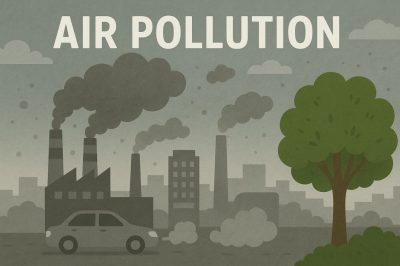
Air Pollution: Causes, Effects, and Solutions for a Cleaner Future
Introduction: Take a deep breath and think. The air that fills our lungs should be fresh, clean and life-giving, yet for billions of people across the globe, it carries invisible poisons. Air pollution has quietly become one of the greatest environmental threats of our time, affecting everything from human health and agriculture to the global…
-
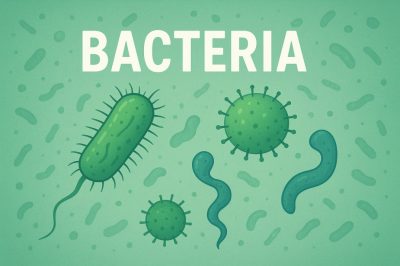
Bacteria: Tiny Organisms with a Huge Impact on Life
Introduction: When most people hear the word bacteria, they immediately think of infections or diseases. However, the truth is that bacteria are among the most essential and fascinating organisms on Earth. These microscopic life forms have existed for billions of years, and they continue to shape our planet in countless ways. From helping digest our…
-
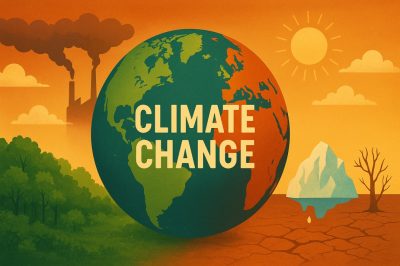
Climate Change: Understanding the Biological and Environmental Impact
Introduction: A Planet in Transition Earth’s climate has always changed from ice ages to warm periods but never at the pace we’re witnessing today. Climate change is not just an environmental issue; it’s a biological emergency that affects every living organism, from the tiniest plankton to the largest mammals.For students of biology, understanding climate change…
-
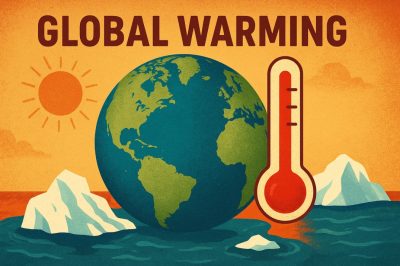
Global Warming: A Growing Threat to Life on Earth
Introduction: The Earth’s climate has always changed over time, but never as rapidly as it is today. Global warming—the long-term rise in Earth’s average temperature is one of the most pressing environmental issues facing humanity. It affects every living organism, from the tiniest microbe in the soil to humans at the top of the food…
-

Quran and Biology: The Harmony Between Faith and Science
Introduction: Science and religion are often seen as two separate worlds — one driven by reason, the other by revelation. Yet, when we explore the relationship between the Quran and Biology, we discover a fascinating harmony between Quranic knowledge and modern scientific understanding. The Quran, revealed more than 1,400 years ago, contains numerous verses that…
-

Conservation of Biodiversity – Protecting the Web of Life
Introduction: The Living Network That Sustains Us Every living thing on Earth from the tiniest microbe in the soil to the tallest redwood tree plays a vital role in maintaining balance within nature’s complex web. This intricate network of life is known as biodiversity, and it sustains the ecosystems that provide us with clean air,…