-

Bad Effects of Smoking: A Scientific and Health Perspective
Introduction: Smoking remains one of the leading preventable causes of disease and death around the world. Despite awareness campaigns, many people especially teenagers and young adults start smoking without fully understanding how it affects their body. The harmful impact of smoking is not limited to the lungs; it damages nearly every organ and can silently…
-
Gaseous Exchange in Humans
Introduction: Every breath we take is part of an incredible biological process that keeps us alive — the gaseous exchange. It’s the continuous movement of oxygen and carbon dioxide between the body and the environment. While it may seem simple, this process involves a highly coordinated system of organs, cells, and microscopic structures that ensure…
-
Botany – The Science of Plant Life
Introduction: What Is Botany? Botany is the branch of biology that focuses on the study of plants — from tiny mosses and algae to towering trees and flowering plants. It explores how plants grow, reproduce, and interact with their surroundings. Often called plant science or plant biology, botany plays a vital role in understanding the…
-
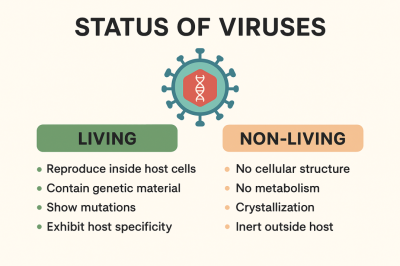
Viruses: The Mysterious Microbes Between Life and Non-Life
Introduction: Viruses are some of the most interesting yet feared tiny particles in biology. They are so small that we can’t see them without a microscope — thousands of times smaller than a grain of sand. Despite their size, viruses have the power to affect all living things. From the common cold to worldwide pandemics,…
-
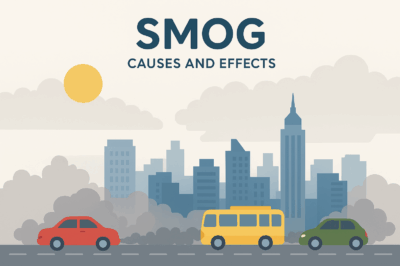
Smog: Causes, Types, Effects, and Control of this Silent Threat
Introduction: Have you ever looked at the skyline of a big city and noticed a thick, hazy layer hanging in the air? That murky cloud isn’t fog — it’s smog, one of the most dangerous forms of air pollution. Smog has become an unfortunate symbol of urban life, affecting the health of millions and threatening…
-
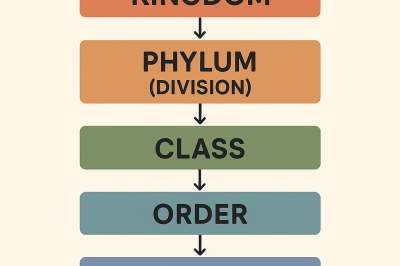
Classification in Biology – Organizing the Diversity of Life
Introduction: Biology is the study of life and life, as we know it, comes in countless forms. From microscopic bacteria to towering redwood trees and majestic whales, the diversity of living organisms on Earth is astounding. To make sense of this vast variety, scientists developed a classification system, a scientific method of organizing living things…
-
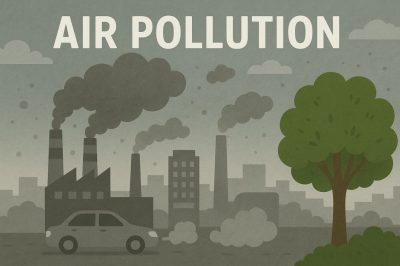
Air Pollution: Causes, Effects, and Solutions for a Cleaner Future
Introduction: Take a deep breath and think. The air that fills our lungs should be fresh, clean and life-giving, yet for billions of people across the globe, it carries invisible poisons. Air pollution has quietly become one of the greatest environmental threats of our time, affecting everything from human health and agriculture to the global…
-
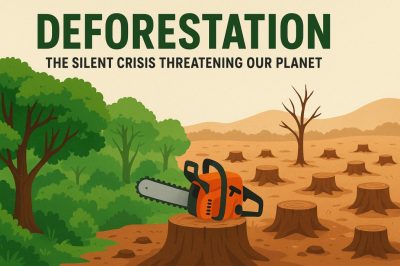
Deforestation: Causes, Effects, and the Urgent Need for Action
Introduction: What Is Deforestation? Deforestation refers to the large-scale removal of forests, often to clear land for agriculture, urban development, or industrial use. Forests are among the most vital ecosystems on Earth — they regulate the climate, produce oxygen, preserve soil, and provide habitat for countless species. Yet, every year, millions of hectares of trees…
-
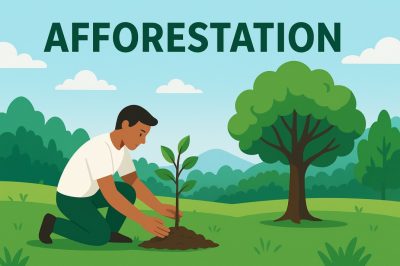
Afforestation – Rebuilding Green Life on Earth
Introduction: Trees are the lifelines of our planet. They produce oxygen, store carbon dioxide, prevent soil erosion, and support millions of living species. Yet, due to rapid industrialization, urban expansion, and deforestation, vast areas of forest cover have vanished. To counter this loss, in a world facing rapid deforestation and climate change, afforestation has emerged…
-
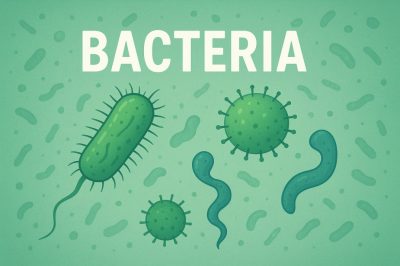
Bacteria: Tiny Organisms with a Huge Impact on Life
Introduction: When most people hear the word bacteria, they immediately think of infections or diseases. However, the truth is that bacteria are among the most essential and fascinating organisms on Earth. These microscopic life forms have existed for billions of years, and they continue to shape our planet in countless ways. From helping digest our…