10th Class Biology – Short Questions & Answers
-

What is sustainable development?
Sustainable development is development that meets the needs of the present without compromising the ability of future generations to meet their own needs, balancing economic growth, environmental protection, and social equity.
-
Discuss the components of an ecosystem.
The components of an ecosystem can be divided into: Biotic components: Living organisms, including producers (plants), consumers (animals), and decomposers (bacteria, fungi). Abiotic components: Non-living elements such as sunlight, temperature, water, air, and soil that influence the ecosystem’s functioning. The interactions between biotic and abiotic components form the basis of energy flow and nutrient cycling…
-
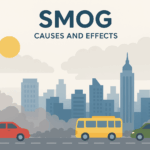
Explain the causes and effects of pollution.
Pollution is caused by various human activities, including industrial emissions, vehicle exhaust, deforestation, and improper waste disposal. Effects: Pollution can lead to health problems, damage ecosystems, reduce biodiversity, and contribute to global issues such as climate change, soil degradation, and water contamination.
-
Describe the importance of conservation and biodiversity.
Conservation and biodiversity are essential for maintaining ecosystem balance, ensuring the availability of natural resources, and supporting the survival of various species. Conservation helps protect endangered species, restore damaged ecosystems, and ensure sustainable resource use. Biodiversity ensures ecosystem stability, resilience, and the availability of genetic resources for future generations.
-
Define biotechnology.
Biotechnology is the use of biological organisms, systems, or processes to develop products and technologies that improve human health, agriculture, and the environment.
-
What is genetic engineering?
Genetic engineering involves altering the genetic material of an organism by manipulating its DNA to achieve desired traits, such as producing insulin or enhancing crop resistance to pests.
-
Describe the structure and function of DNA.
DNA (deoxyribonucleic acid) is a double-helix structure composed of nucleotides. Each nucleotide contains a sugar, phosphate group, and nitrogenous base (adenine, thymine, cytosine, guanine). DNA carries genetic information that dictates the development, functioning, and reproduction of organisms.
-
Explain the term ‘cloning’.
Cloning is the process of creating an identical copy of an organism, cell, or DNA sequence through asexual reproduction or genetic manipulation.
-
Define ecosystem.
An ecosystem is a community of living organisms (plants, animals, microorganisms) interacting with each other and their physical environment (air, water, soil) in a specific area. It involves the flow of energy and cycling of nutrients.
-
What is recombinant DNA technology?
Recombinant DNA technology is the technique of combining DNA from different organisms to create new genetic combinations for research, medicine, or agriculture.