07: Man and His Environment
-

Discuss the components of an ecosystem.
The components of an ecosystem can be divided into: Biotic components: Living organisms, including producers (plants), consumers (animals), and decomposers (bacteria, fungi). Abiotic components: Non-living elements such as sunlight, temperature, water, air, and soil that influence the ecosystem’s functioning. The interactions between biotic and abiotic components form the basis of energy flow and nutrient cycling…
-
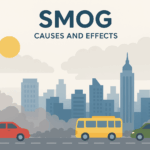
Explain the causes and effects of pollution.
Pollution is caused by various human activities, including industrial emissions, vehicle exhaust, deforestation, and improper waste disposal. Effects: Pollution can lead to health problems, damage ecosystems, reduce biodiversity, and contribute to global issues such as climate change, soil degradation, and water contamination.
-
Describe the importance of conservation and biodiversity.
Conservation and biodiversity are essential for maintaining ecosystem balance, ensuring the availability of natural resources, and supporting the survival of various species. Conservation helps protect endangered species, restore damaged ecosystems, and ensure sustainable resource use. Biodiversity ensures ecosystem stability, resilience, and the availability of genetic resources for future generations.