Biology
-
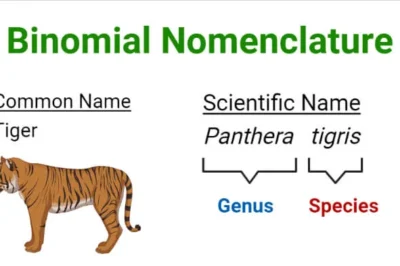
Binomial Nomenclature – The Universal Language of Biology
Introduction: Imagine walking into a garden filled with hundreds of different plants and trying to describe each one using common names. You might call one a “rose,” but in another country, the same plant could be known by an entirely different name. This confusion highlights why scientists needed a universal system for naming organisms —…
-

Biodiversity – The Variety of Life on Earth
Introduction: Have you ever wondered how life on Earth manages to exist in so many incredible forms from tiny bacteria to towering trees and majestic whales? This vast variety of living organisms is what we call biodiversity. It represents the richness of life on our planet and the intricate web of relationships that connect all…
-
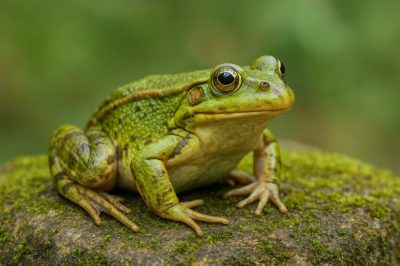
Frog – Structure, Habitat, and Importance in Nature
Introduction: The frog is one of the most familiar and fascinating amphibians found across the world. Its unique lifestyle, living both on land and in water, makes it an excellent example for studying adaptation in vertebrates. Frogs belong to the class Amphibia and the order Anura, meaning “tailless.” They are cold-blooded animals that have developed…
-

Study of Malaria: Causes, Transmission, Symptoms and Control
Introduction: Malaria is one of the most well-known and serious infectious diseases in the world. For centuries, it has affected millions of people, especially in tropical and subtropical regions. Despite medical advancements, the disease continues to be a public health challenge in many developing countries. Understanding the biology behind malaria, its causes, transmission, life cycle,…
-

Biological Method: The Scientific Way of Studying Life
Introduction: Biology, the study of life, is a vast and fascinating field that explores everything from the tiniest microorganisms to the most complex ecosystems. But have you ever wondered how biologists make discoveries or confirm scientific facts? The answer lies in the biological method — a logical and systematic way scientists use to study living…
-

Levels of Organization in Biology: From Cells to Biosphere
Introduction: Biology is the study of life in all its fascinating forms and complexities. Every living organism, whether a single bacterium or the human body, is organized in a structured and hierarchical way. This arrangement helps scientists understand how simple components work together to form complex living systems. The levels of organization in biology describe…